

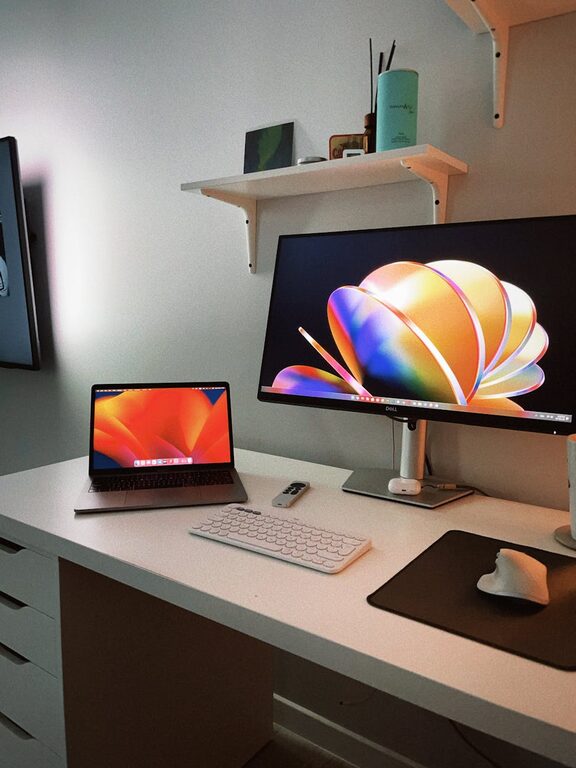
Creating a relaxing home workspace is essential in today’s world, where many of us balance work and life under the same roof. An environment that promotes calmness and focus can significantly boost productivity and improve your overall wellbeing. Even small changes can make a big difference. Here are some simple tips to help you create a home workspace that’s both comfortable and effective.
Why a Relaxing Workspace Matters
Your workspace affects more than just your work output. It influences your mood, energy levels, and even your health. A cluttered and uncomfortable space can cause distractions and stress, while a peaceful setting encourages concentration and creativity. By designing a relaxing workspace, you set yourself up for greater success and satisfaction in your daily tasks.
Choose the Right Location
Find a Quiet Spot
If possible, select a quiet area away from the main activity in your home. Noise can interrupt your thinking and disrupt your flow. If your home is busy, consider investing in noise-cancelling headphones or a white noise machine.
Utilise Natural Light
A space with plenty of natural light is uplifting and helps reduce eye strain. Position your desk near a window, but avoid glare on your screen. If natural light is limited, use warm, adjustable lighting to create a cosy atmosphere.
Invest in Comfortable Furniture
Supportive Chair
Your chair is one of the most important pieces of furniture for your workspace. Choose an ergonomic chair with good lumbar support to keep your posture healthy and reduce fatigue.
Functional Desk
Opt for a desk that suits your needs, offering enough space for your computer, documents, and any tools you use regularly. A tidy desk helps maintain focus and minimises distractions.
Consider a Sit-Stand Option
Alternating between sitting and standing can improve circulation and reduce discomfort. Sit-stand desks or adjustable desk converters are worth exploring if your budget allows.
Keep Your Space Organised
Declutter Regularly
Unexpected clutter can cause stress and lower productivity. Take a few minutes at the end of each day to tidy your workspace and put things away.
Use Storage Solutions
Use shelves, drawers, and organisers to keep your equipment and supplies in their place. Label boxes or files to find items quickly without disrupting your workflow.
Limit Personal Items
While a few personal touches can make your space more welcoming, avoid overcrowding your desk. Choose meaningful items, like plants or photos, that inspire calmness.
Incorporate Calming Elements
Add Greenery
Plants improve air quality and introduce a sense of calm. Choose low-maintenance plants like succulents or spider plants, which are perfect for busy or less sunny spots.
Use Soft Textiles
A comfortable cushion or a small rug can make your workspace feel warmer and more pleasant. Choose colours and texture that soothe you without overwhelming the senses.
Display Calming Artwork
Pictures or posters with relaxing scenes or abstract designs can help reduce anxiety and make your area more inviting.
Manage Technology Wisely
Keep Wires Tidy
Untidily tangled cables can be distracting. Use clips or cable organisers to keep wires neat and out of sight.
Minimise Screen Distractions
Close unnecessary tabs and disable non-essential notifications to stay focused. Consider using apps that block distracting websites during work hours.
Maintain Equipment
Ensure your technology works smoothly; slow or faulty devices can cause frustration. Regularly update software and clean your keyboard and screen.
Create a Routine
Set Clear Boundaries
Define your working hours and stick to them as much as possible. This separation helps your brain switch between work and relaxation modes.
Include Breaks
Schedule short breaks throughout the day to stretch, refresh your mind, and avoid burnout. A change of scenery, even just a walk around the house, is beneficial.
Personalise Your Time
Use routines that relax you before and after work, whether it’s meditation, a cup of tea, or listening to calm music. This signals your brain and body when work starts and ends.
Maintain Good Air Quality
Ventilate Regularly
Fresh air keeps your mind alert and reduces exposure to indoor pollutants. Open windows when possible or use an air purifier.
Avoid Strong Scents
Avoid overpowering perfumes or sprays that can cause headaches or irritation. Mild scents like lavender or eucalyptus can promote relaxation if you like.
Conclusion
Creating a relaxing home workspace doesn’t require a complete overhaul or expensive purchases. By choosing the right location, investing in comfortable furniture, maintaining organisation, and adding calming elements, you can build a space that nurtures productivity and wellbeing. Listen to your needs and preferences, and remember that small, consistent improvements make a big difference over time.
With these simple tips, your home workspace can become a place where work feels easier, more enjoyable, and less stressful. Give yourself the gift of a peaceful environment — your productivity and happiness will thank you.