

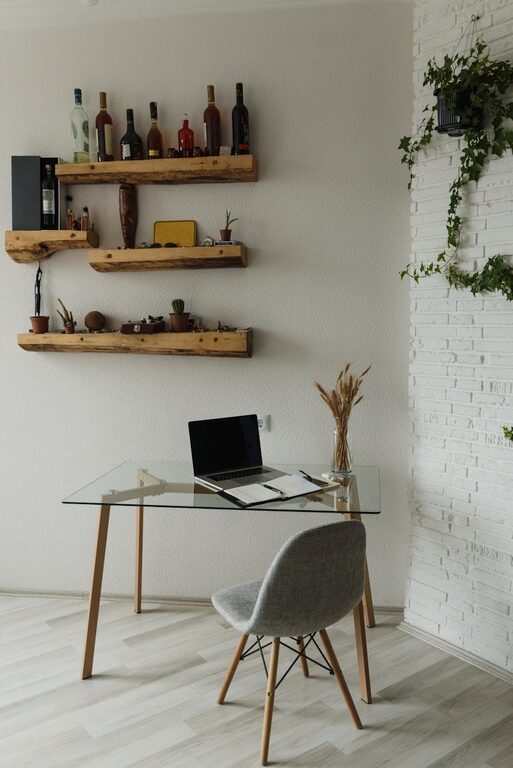
Creating a home office that is both cosy and functional can significantly enhance your work-from-home experience. Whether you have a dedicated room or just a small corner to work with, making your workspace comfortable and efficient will help you stay focused and motivated throughout the day. Here are some practical tips to help you design a home office space that meets your needs.
Choose the Right Location
Consider Natural Light
Placing your desk near a window where natural light streams in can boost your mood and energy. Good lighting reduces eye strain and makes your workspace feel more inviting. If natural light is limited, invest in a quality desk lamp with adjustable brightness to keep your work area well-lit.
Minimise Distractions
Select a quiet spot in your home where you can work without frequent interruptions. Avoid high-traffic areas or places near the television. If space is tight, consider room dividers or screens to create a separate zone for work.
Invest in Comfortable Furniture
Ergonomic Chair and Desk
A comfortable chair with good lumbar support is essential for long hours at your desk. Look for adjustable chairs that fit your body well. Your desk should be at a height that allows your arms to rest comfortably while typing, reducing strain on your shoulders and wrists.
Multi-Functional Pieces
If space is limited, opt for furniture that doubles up on function, such as desks with built-in storage or foldable tables that can be tucked away when not in use.
Organise Your Space
Declutter Regularly
A tidy workspace reduces stress and helps you focus on your tasks. Keep only essential items on your desk and store the rest in drawers or shelves.
Use Organisers and Storage Solutions
Desk organisers, file holders, and shelves can keep your papers, stationery, and gadgets in order. Label storage boxes for easy access and maintain a clean environment by putting things away after use.
Personalise Your Workspace
Add Warmth with Textiles and Colours
Soft cushions, throws, or rugs can add warmth to your office, making it feel cosy and inviting. Choose colours that calm and inspire you—neutral tones combined with pops of your favourite colour often work well.
Incorporate Plants
Adding a few houseplants can improve air quality and bring a touch of nature indoors. Choose low-maintenance plants like succulents or snake plants if you don’t have a green thumb.
Use Technology Wisely
Keep Cables Organised
Messy cables can clutter your desk and cause frustration. Use cable management clips or sleeves to keep wires neat and prevent tangles.
Invest in Quality Equipment
A reliable computer, keyboard, and mouse will improve your efficiency. Consider noise-cancelling headphones if you work in a noisy household.
Create Zones for Different Activities
If your space allows, designate areas for various tasks, such as a main desk for computer work and a separate table for reading or brainstorming. Using different zones helps keep you organised and mentally separates work activities.
Maintain a Good Work-Life Balance
Set Boundaries
Having a defined workspace can help you mentally switch between work and relaxation. When your workday ends, clear your desk or close your office door to signify the end of work.
Take Breaks and Move Around
Remember to stand up, stretch, or move around at regular intervals. This boosts circulation and keeps you refreshed.
Summary
Designing a cosy and functional home office involves careful consideration of comfort, organisation, and personal touches. By choosing the right location, investing in suitable furniture, keeping your space organised, and adding elements that make you feel relaxed, you can create a workspace that supports productivity and well-being. Remember, a thoughtfully arranged home office is a key component in making remote work enjoyable and effective.