

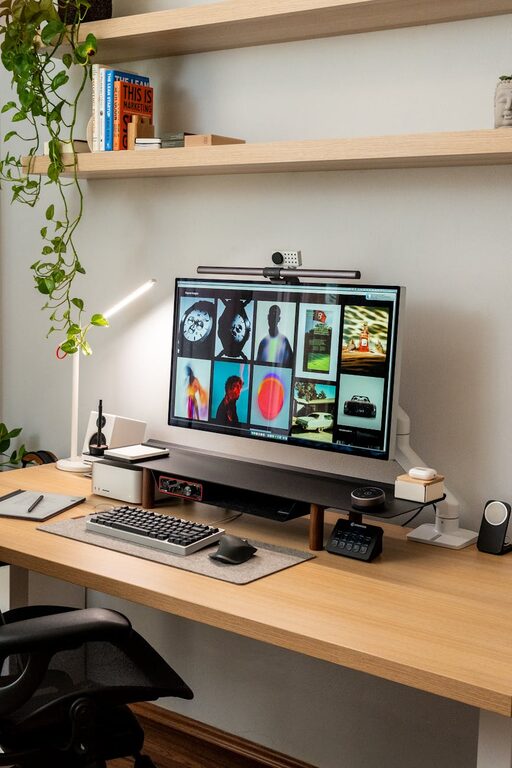
Working from home has become more common than ever, and having a comfortable and efficient workspace is key to staying productive and relaxed. Whether you have a dedicated room or a small corner for your office, creating the right environment can make all the difference. Here are some practical tips to help you design a home office that supports both focus and wellbeing.
Choose the Right Location
Selecting the best spot for your home office is the first step. Ideally, it should be a quiet area with minimal distractions.
– Natural Light: Position your desk near a window to benefit from natural light. This can improve your mood and reduce eye strain.
– Away from Noise: Avoid placing your workspace close to noisy areas such as the kitchen or living room.
– Privacy: If possible, use a room with a door to create separation between work and home life.
Invest in Comfortable Furniture
Comfortable and ergonomic furniture helps you maintain good posture, preventing discomfort during long work hours.
– Ergonomic Chair: Choose a chair that supports your back and encourages good sitting posture.
– Adjustable Desk: Consider a desk that allows you to change between sitting and standing positions.
– Desk Size: Ensure your desk provides enough space for your computer, documents, and other essentials.
Organise Your Workspace
Keeping your office tidy and organised can improve concentration and efficiency.
– Storage Solutions: Use shelves, drawers, and organisers to keep items off your desk.
– Cable Management: Use clips or cable trays to keep wires neat and prevent tangling.
– Minimal Clutter: Only keep items you use daily close by to reduce distractions.
Personalise Without Overdoing It
Adding personal touches can make your workspace more inviting, but too much decoration can distract from your work.
– Plants: Small indoor plants bring a bit of nature indoors and can improve air quality.
– Artwork: Choose calming or inspirational images to decorate your walls.
– Personal Items: Keep a few meaningful items, such as photos or mementos, to make the space feel yours.
Control Lighting and Temperature
Proper lighting and temperature control help maintain comfort and reduce fatigue.
– Artificial Lighting: Use a desk lamp with adjustable brightness to avoid glare on screens.
– Temperature: Keep your workspace at a comfortable temperature, using fans or heaters as needed.
– Air Quality: Ensure good ventilation to keep fresh air circulating.
Minimise Noise Distractions
Noise can significantly affect your concentration, so managing sound is important.
– Noise-Cancelling Headphones: Invest in a pair if your environment is noisy.
– Soft Furnishings: Carpets and curtains can help absorb sound.
– White Noise: Consider using a white noise machine or app to mask background noises.
Establish a Routine and Boundaries
A good environment supports not just physical comfort but also mental clarity.
– Regular Breaks: Take short breaks to stretch and rest your eyes.
– Set Work Hours: Stick to consistent start and finish times to maintain balance.
– Separate Work from Home: Avoid using your workspace for non-work activities to keep your mind focused.
Use Technology Wisely
Having the right tools can streamline your work and reduce frustration.
– Reliable Internet: Ensure your connection is strong and stable.
– Essential Software: Use apps for organisation, communication, and task management.
– Backup Plan: Have a backup for power or internet outages, like a portable charger or mobile hotspot.
Keep Healthy Habits in Mind
Your environment can encourage positive habits to support your wellbeing.
– Hydration Station: Keep a water bottle nearby to stay hydrated.
– Healthy Snacks: Have nutritious options within reach.
– Exercise Options: Integrate brief stretches or desk exercises into your day.
Regularly Refresh Your Space
A workspace can become stale over time, so refresh it periodically to keep it appealing.
– Rearrange Furniture: Change your layout occasionally to give your mind a fresh perspective.
– Clean Thoroughly: Dust and clean your area regularly.
– Update Accessories: Swap out stationery or decorations as needed.
—
Creating a relaxing and productive home office is about finding a balance between comfort and efficiency. By paying attention to lighting, noise, furniture, and organisation, you can build a space that supports your daily work and wellbeing. Start with small changes and adapt your setup to what feels right for you. With the right environment, home working becomes not just manageable but enjoyable.