

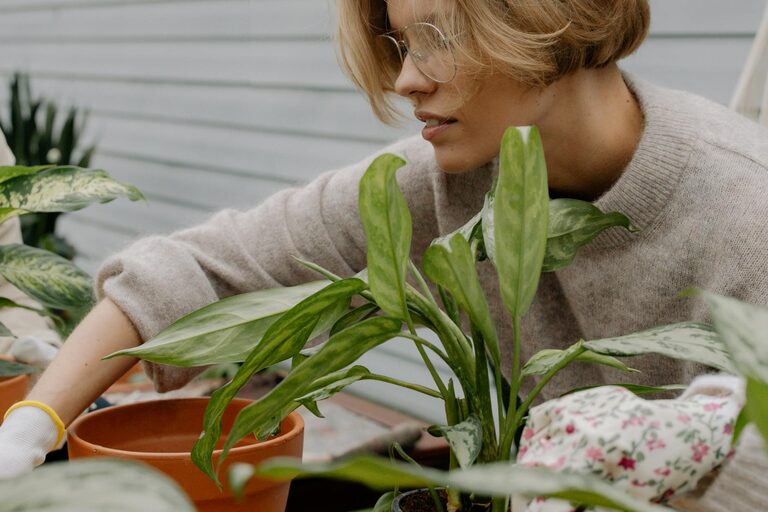
Creating a sustainable garden at home is a rewarding way to connect with nature, reduce your environmental impact, and grow healthy plants. Whether you have a large backyard or a small balcony, there are plenty of ways to design a garden that conserves resources, supports wildlife, and thrives naturally. This guide covers essential tips to help you get started with sustainable gardening.
What Is Sustainable Gardening?
Sustainable gardening focuses on practices that minimise harm to the environment while nurturing healthy plants and soil. It emphasises water and energy conservation, reducing waste, supporting biodiversity, and using natural processes rather than chemical inputs.
By adopting sustainable methods, you can create a beautiful garden that requires less maintenance and supports local wildlife such as pollinators and birds.
Planning Your Sustainable Garden
Before planting, thoughtful planning can make a big difference.
Assess Your Space and Resources
– Sunlight and shade: Observe how sunlight moves across your garden. Different plants thrive in full sun, partial shade, or full shade.
– Soil condition: Test your soil’s texture and pH. Healthy soil is the foundation of a sustainable garden.
– Water availability: Consider how you will water your garden, prioritising rainwater collection or natural irrigation.
Choose Native and Adapted Plants
Native plants are naturally suited to your local climate and soil, so they usually need less water, fertiliser, and pesticides. They also provide food and shelter for native wildlife.
Look for plant species that are drought-resistant if you live in a dry area or those that tolerate wet soil in wetter climates.
Soil Health and Composting
Healthy soil supports strong plants and reduces the need for artificial fertilisers.
Improve Soil Naturally
– Add organic matter like compost or leaf mould to improve soil structure.
– Avoid synthetic chemicals that can harm soil microbes.
– Use mulch to retain moisture and suppress weeds.
Start Composting
Composting kitchen scraps, garden waste, and shredded paper turns organic waste into nutrient-rich compost for your garden.
– Use a compost bin or heap in a dry, sheltered spot.
– Balance “greens” (fruit and vegetable scraps) with “browns” (dry leaves, straw).
– Turn the compost regularly to speed up decomposition.
Water Conservation Techniques
Water is one of the most precious resources in gardening. Using water wisely helps the environment and cuts your utility bills.
Collect Rainwater
Use rain barrels or other containers to collect rainwater from gutters. This water can be used to irrigate plants during dry spells.
Watering Smartly
– Water early in the morning or late in the evening to reduce evaporation.
– Use drip irrigation or soaker hoses to deliver water directly to plant roots.
– Group plants with similar water needs together to avoid overwatering.
Encouraging Biodiversity
A sustainable garden supports a variety of living creatures, which helps keep the ecosystem balanced.
Create Wildlife Habitats
– Plant a variety of flowers for pollinators like bees and butterflies.
– Include native shrubs and trees that provide shelter and food.
– Leave some areas wild or set up habitats like bug hotels or bird feeders.
Avoid Chemicals
Stay away from pesticides and herbicides, which can harm beneficial insects and birds. Instead, practise natural pest control by encouraging predator insects or manually removing pests.
Gardening Practices for Sustainability
Certain gardening habits contribute greatly to sustainability.
Crop Rotation and Companion Planting
Rotating crops and planting complementary plants together helps prevent soil depletion and reduces pest problems.
Grow Your Own Food
Growing fruits, vegetables, and herbs reduces the carbon footprint associated with food transport. It also provides fresher, chemical-free produce.
Use Recycled and Sustainable Materials
Opt for tools, pots, and garden furniture made from recycled, natural, or sustainably sourced materials.
Final Thoughts
Creating a sustainable garden is not only good for the environment but also incredibly satisfying. With careful planning and mindful practices, you can transform your garden into a thriving, eco-friendly space.
Start small and enjoy the process of learning and growing. Over time, your sustainable garden will become a beautiful reflection of nature’s balance right in your own home.